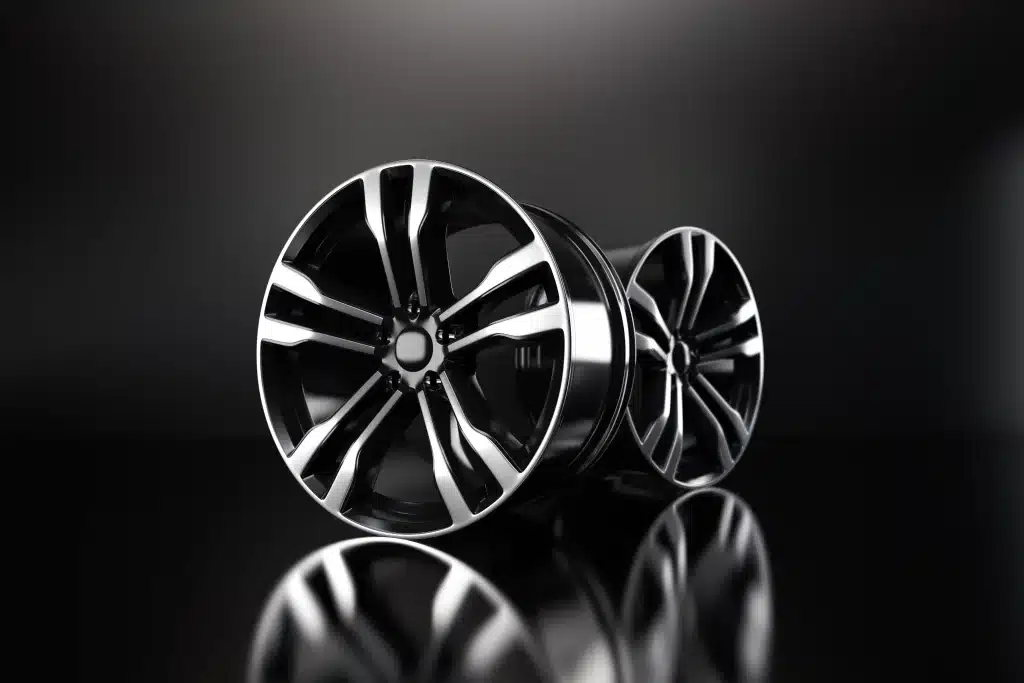
Diamond cut alloy wheels are the top choice for car enthusiasts. The polished metal catches the light. It creates a stunning two-tone effect on any vehicle.
At Alloy Fix, we specialise in alloy wheel refurbishment to a diamond cut finish. Our technicians use advanced CNC lathe machines. They create that sought-after polished look. Worn wheels or fancy an upgrade? We can help.
We offer a 3 year warranty on all diamond cut alloy refurbishment. No other company provides this guarantee.


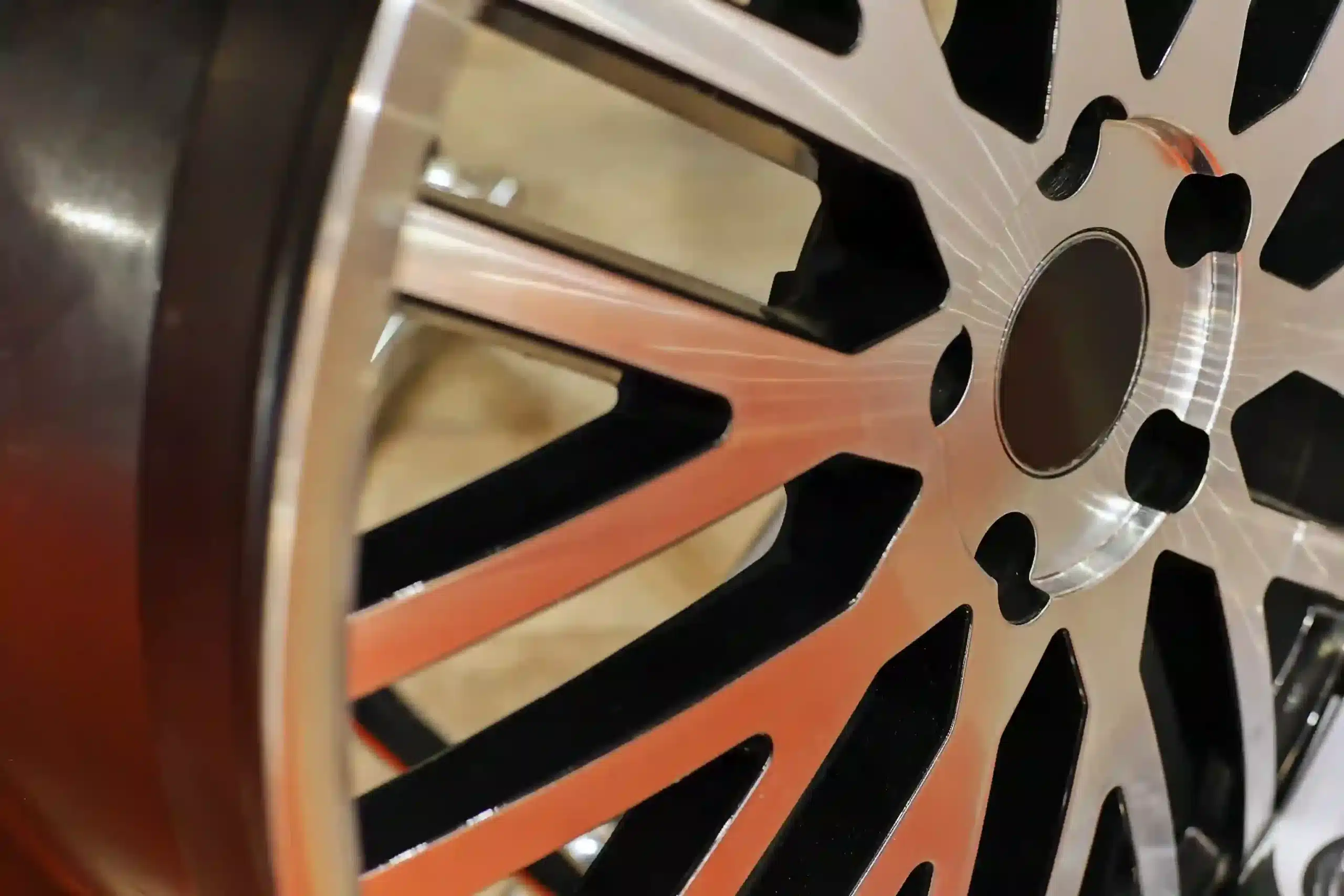
A diamond cut alloy is a type of alloy wheel finish. It is created using specialist machining. During the diamond cutting process, the wheel sits on a CNC lathe. A diamond-tipped cutting machine removes a thin layer of metal. This reveals bright aluminium with fine grooves that shimmer.
Most diamond cut wheels have contrasting painted sections. The inner spokes are finished in dark grey or gloss black. This two-tone look is popular on BMW, Audi, Mercedes and Range Rover.
A clear lacquer coating goes on top. This helps prevent corrosion and protects the exposed metal.
Stunning visual impact. The polished face reflects light. Your wheels become a real feature of your car.
Modern, premium look. Alloy wheel diamond cutting is the finish high-end manufacturers use. It gives any vehicle an upmarket appearance.
Two-tone styling. Pick your contrast colour. Gloss black, anthracite grey and gunmetal are popular choices.
Increased vehicle value. Fresh cut alloy wheels make a difference when selling. Diamond cut repairs show buyers the car has been looked after.
Cost-effective upgrade. Refurbishing diamond cut wheels costs less than new alloys. You get factory-fresh results at a fraction of the price.
Not sure if your wheels need work? Read our guide on the signs your alloy wheels need refurbishment.
Yes. Kerb marks, scratches, corrosion and peeling lacquer can usually be put right. The catch is that a diamond cut face cannot be fixed with paint or a touch-up pen. Paint covers the bright metal, so the repair stands out against the rest of the wheel. To get the proper finish back, the face has to be machined again on a lathe and then sealed with fresh lacquer.
This is not a job you can do at home. It needs a CNC lathe, a trained technician who knows how much metal can safely come off, and the right lacquer and curing equipment. A poor repair can leave an uneven finish, and cutting away too much metal can weaken the wheel.
Every wheel goes through the same careful stages. You can see more detail on our process page.
Each time a wheel is diamond cut, the lathe removes a fine layer of metal. That metal does not grow back, so a wheel can only be re-cut a limited number of times before the face becomes too thin to cut safely. There is no single number that applies to every wheel. It depends on:
Our technicians check every wheel before cutting. If another cut would not be safe, we will tell you honestly and suggest another option.
If a wheel has been re-cut as many times as it safely can, or the corrosion is very deep, powder coating is often the better route. Powder coating does not remove any metal. The wheel is coated in a tough finish that is baked on in an oven, which stands up well to chips and bad weather. A silver or metallic shade keeps a similar look, or you can choose a completely new colour.
The weak point of a diamond cut wheel is its thin layer of clear lacquer. Underneath sits bare, machined aluminium. While the lacquer is unbroken, the metal is sealed. Once the lacquer is broken by a kerb scuff, a stone chip or small cracks that form over time, water and road salt can creep underneath and attack the metal.
This shows up as white, cloudy marks that spread out in fine lines under the clear coat. Aluminium has a natural protective layer, but it only stays stable in mild conditions. Strong acids and strong alkalis break it down, which is why harsh cleaners do so much harm to these wheels.
Check the outer edge of the wheel face now and then, as this is where damage usually starts. Look for:
Act early. Once corrosion spreads, more metal has to be cut away to remove it, which uses up more of the wheel's life. A small early repair is nearly always the cheaper and easier choice.
Gentle, regular cleaning protects the lacquer, and the lacquer is what keeps corrosion out. Choose a pH-neutral wheel cleaner that says it is safe for lacquered or diamond cut wheels. A good car shampoo in warm water is also fine for regular washing.
For a simple routine, see our guide on how to clean alloy wheels with WD40.
Prices depend on wheel size, how much damage there is and the finish you choose. A wheel that needs straightening or welding before it can be re-cut will cost more than one with a light scuff, and a two-tone finish takes more work than a single colour. Refurbishing is usually far cheaper than buying a new diamond cut wheel. See our price list for current prices.
All our diamond cut and powder coated wheels come with a 3 year warranty, and we offer loan wheels so you can drive away the same day. Book at our Romford, Dartford or Hemel Hempstead workshop.
Alloy Fix has 800+ five-star reviews. Read what our customers say before you book.
Leaving your car may not always be an option - at Alloy Fix we offer loan wheels, so you can drive away the same day
We are the only company to offer a 3 year warranty on diamond cut alloy refurbishment. This covers the lacquer against peeling and corrosion.
Our team has years of experience with the diamond cutting process. We have refurbished thousands of wheels for all major manufacturers.
3 workshops: Romford, Dartford, Hemel Hempstead. Book at the one nearest to you.
We follow a thorough repair process at Alloy Fix. Every step ensures factory-quality results. Learn more about each stage in our detailed guide to the process for diamond cut alloy wheel refurbishment.
Talk to one of our expert technicians and explain the problem with your alloy wheels.
Our team will give you advice on the best course of action next and provide you a bespoke quote.
Select the best available time to get your wheels booked in one of our workshops.
Alloy Fix offers top quality wheel repairs based in Romford Essex RM1 1DX, and Dartford Kent DA1 5BS, Hemel Hempstead Hertfordshire HP2 4SB providing expert alloy wheel repair services close to you. Fill in the form below to get a quote and book your slot at the nearest branch today!

Most alloy wheels can receive a diamond cut finish. Some designs are not suitable. We assess your wheels and advise on the best option.
Most work takes 2 to 3 working days per set. This allows proper curing between stages. Loan wheels keep you on the road.
Prices depend on wheel size and condition. Contact us for a free quote. Our 3 year warranty means excellent value. Read our full guide on how much alloy wheel refurbishment costs and whether it is worth it.
Wash regularly with pH-neutral shampoo. Avoid harsh chemicals and abrasive cleaners. Do not use automatic car washes with spinning brushes.
With proper care, your diamond cut finish looks great for years. Our warranty covers the lacquer against defects.
Look for kerb damage, corrosion, peeling lacquer or dull patches. These are common signs of wear. Our guide on the signs your alloy wheels need refurbishment explains what to look for.
Only a limited number of times. Each cut removes a thin layer of metal, so the face eventually becomes too thin to cut safely. The limit depends on the wheel design, how deep the damage is and how many times it has been cut before. We check every wheel first and will tell you honestly if another cut is not safe.
No. A diamond cut finish can only be restored by machining the face on a CNC lathe and sealing it with fresh lacquer. Touch-up paint and polishing kits cannot recreate the finish, and cutting away too much metal can weaken the wheel.
White, cloudy marks or fine white lines usually mean corrosion. Water and road salt have got under the lacquer through a chip or crack and are attacking the bare metal. It spreads over time, so it is best to have it repaired early, before more metal needs to be cut away.
Yes, but keep the nozzle well back from the wheel and use a lower setting. High pressure held close can force water into small chips in the lacquer, which can lead to corrosion.
Fill the details in the best you can and book an appointment at our Romford, Dartford or Hemel Hempstead branch.
Hemel Hempstead Store
Alloy Fix Ltd,
Unit 3-5 Duxons Turn,
Hemel Hempstead
HP2 4SB
01442 914376
Dartford Store
Alloy Fix Ltd,
Riverside Industrial Estate,
Unit i4,
Riverside Way,
Dartford DA1 5BS
01322 617458
Romford Store
Alloy Fix Ltd,
Unit 4 Brooklands Approach,
Romford,
RM1 1DX
01708 728438
Alloy-Fix booking assistant
Instant price, no phone call
Quotes are valid for 14 days and subject to inspection by the team.