When you consider alloy wheel refurbishment, you’re looking at a solution that improves how your vehicle looks and helps protect its resale value. You can have wheels that look like new without the cost of buying replacements. It is about more than appearance, too: refurbishment gives a technician the chance to check every wheel for damage that could affect safety, and fresh protective coatings help keep corrosion away. This guide covers every key benefit, from appearance and value to safety, lifespan, the environment and aftercare, so you can decide whether refurbishment is the right choice for your wheels.
Key Takeaways
– Restores the original shine and finish, or lets you choose a new colour or finish.
– Offers a cost-effective alternative to purchasing new wheels.
– Helps protect resale and part-exchange value, because buyers and dealers notice wheel condition.
– Gives a technician the chance to spot cracks, buckles and other damage that can affect safety.
– Seals the metal against corrosion, which helps your wheels last longer.
– Keeps the wheels you already own in use instead of sending them for scrap.
Why Alloy Wheels Are Worth Looking After
Alloy wheels are fitted to most modern cars because they are lighter than traditional steel wheels and can be made in far more designs and finishes. They are a big part of how a car looks, and they play an important role in how it drives.
Alloy wheels do have one weakness. Their painted, lacquered or diamond cut surface is easily marked by kerbs, potholes, road salt and brake dust, and once that surface is broken the metal underneath can start to corrode. Refurbishment is how you keep the benefits of alloy wheels for the whole life of the car.
Enhanced Appearance
A gleaming set of alloy wheels can transform the look of your vehicle, making it stand out with a touch of elegance and sophistication. Alloy wheel refurbishment plays an essential role in enhancing the overall aesthetics of your car.
Over time, wheels can suffer from kerb damage, scratches, and corrosion, which detracts from their visual appeal. By refurbishing your alloy wheels, you restore their original shine and finish, giving your car a fresh, new look.
The process involves cleaning, repairing, and refinishing the wheels to remove any imperfections. This not only improves the wheel aesthetics but also helps them complement the overall design of your vehicle.
You’ll find that a well-maintained set of alloy wheels can greatly boost the visual appeal, making your car appear more polished and well cared for. Refurbishing all four wheels together also gives the set a matching finish. This matters more than many drivers expect, because one or two marked wheels on an otherwise clean car stand out straight away.
Additionally, alloy wheel refurbishment allows you to choose from various finishes and colours, providing an opportunity to customize your wheels to match your personal style or the car’s colour scheme. To see the difference refurbishment makes, take a look at our before and after gallery.
Increased Resale Value
While enhancing your vehicle’s appearance is a significant benefit of alloy wheel refurbishment, another compelling advantage is the resale value it helps protect.
Alloy wheels are one of the first things people look at when they view a car. Potential buyers often treat the condition of the wheels as an important factor in their purchasing decision, and a set of well-maintained, refurbished alloy wheels can make your vehicle more appealing in a competitive market.
Buyers see alloy wheels as more than a cosmetic feature. Clean, matching wheels suggest a car that has been looked after. Damaged wheels can make a buyer wonder what else has been neglected, even when the car is mechanically perfect, and they often become a bargaining point to push the price down.
What Buyers and Dealers Notice
– Kerb damage and scuffs: marks on the outer edge of the wheel are easy to see, and buyers often read them as a sign of careless driving.
– Corrosion or bubbling paint: this suggests long-term neglect and raises questions about how the rest of the car has been maintained.
– Poor or mismatched repairs: uneven paint, a colour that does not match or visible sanding marks can put buyers off more than the original damage.
– A set that does not match: four clean, matching wheels give a much better impression than one or two damaged ones.
Dealers are usually stricter than private buyers, because they have to pay to put the wheels right before they sell the car on. Damaged alloys can lead to a lower part-exchange offer or a deduction for refurbishment work. For a private sale, clean wheels also make your photos look better in online listings, which can help attract more interest.
Can a Repair Ever Reduce a Car’s Value?
A properly finished repair does not usually reduce a car’s value. In most cases it helps protect it. What matters is quality: a professional refurbishment that leaves no sign of the original damage is viewed far more positively than either visible damage or a cheap repair with a patchy finish.
If you are planning to sell, part-exchange or hand back a lease car, it is worth having the wheels done first. Read more in our guides to getting your alloys refurbished before selling and alloy wheel repair before your lease return.
Improved Safety
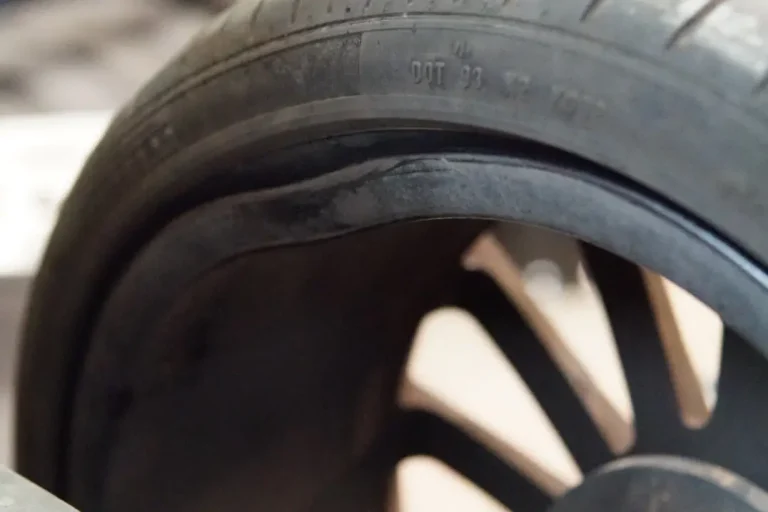
Maintaining alloy wheels through refurbishment isn’t just about aesthetics; it also plays a part in your vehicle’s safety. A bent or buckled wheel no longer runs true, which can cause vibration through the steering wheel, uneven tyre wear and less predictable handling and braking. Repairing and straightening the wheel restores its correct shape so that it runs smoothly again.
Damaged wheels can also affect your tyres. A buckled wheel can cause uneven tyre wear, reducing the lifespan of your tyres. An impact hard enough to damage a wheel can also knock your wheel alignment out, so it is sensible to have the alignment checked as well. Wheel refurbishment and wheel alignment are separate jobs, but together they help your vehicle drive straight and true.
Corrosion around the rim, where the tyre seals against the wheel, can cause slow air leaks. These leaks lead to under-inflated tyres, which reduce grip and wear faster. Refurbishment removes the corrosion and reseals the surface, helping the tyre hold its correct pressure.
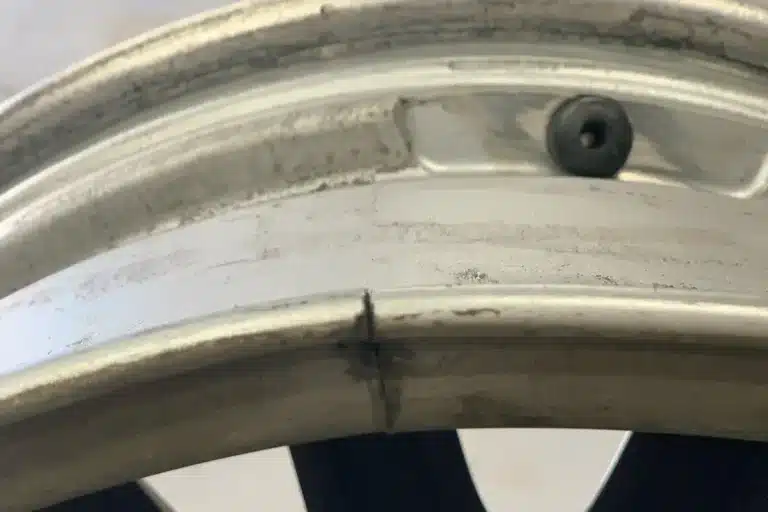
Most importantly, refurbishment means a trained technician looks closely at every wheel. Cracks and buckles are not always easy to spot, and a cracked or buckled wheel can be unsafe. Whether a crack can be repaired depends on where it is and how big it is, so the technician assesses it first and will explain your options. Find out more about cracked wheel repair and buckled wheel repair.
Warning Signs to Look Out For
– Vibration or wobbling through the steering wheel or seat.
– The car pulling to one side.
– A tyre that keeps losing pressure but has no puncture.
– Visible cracks, bends or flat spots on the rim.
– Bubbling or flaking paint, especially around the rim edge.
– Uneven wear across the tyre tread.
If you notice any of these, especially after hitting a pothole or kerb, have the wheel inspected. Our guide on how to tell if your alloy wheels need repair explains the signs in more detail. Damaged wheels can also be a problem at your MOT, as explained in what happens to your wheels during an MOT check.
Cost-Effective Solution
Not only does refurbishing alloy wheels support safety, but it also offers a cost-effective way to maintain your vehicle.
Replacing alloy wheels can be expensive. Refurbishment, however, allows you to keep your wheels looking and performing like new for much less. By opting for refurbishment, you’re making a smart choice that suits your budget.
One of the most important maintenance tips for alloy wheels is to address damage early. Scratches, scuffs, and minor dents, if left unattended, can lead to more significant issues, increasing future repair costs. Refurbishing your wheels promptly prevents these minor issues from escalating, saving you money in the long run.
Additionally, refurbishing your wheels can help you avoid the cost of premature replacement. A well-executed refurbishment can restore the appearance of your alloy wheels and put right many types of damage, making them look and function like new. This is usually far more economical than purchasing a brand-new set.
The cost of refurbishment depends on wheel size, the amount of damage and the finish you choose. You can check our price list, or read our guide on how much alloy wheel refurbishment costs and whether it is worth it.
Is It Worth It for Minor Scratches?
Small scratches can seem too minor to bother with, but any mark that breaks through the lacquer or paint lets moisture reach the metal, and corrosion can then creep under the finish. Dealing with marks early stops a small blemish from becoming a bigger job.
DIY touch-up kits can tidy up very light marks, but the results vary. It is hard to match the colour exactly or to get a smooth, even finish, and a patchy DIY repair can look worse than the original scratch. Diamond cut wheels in particular need specialist equipment to refinish properly.
As a general guide, professional refurbishment is worth it if you care about the look of your car, plan to sell it soon or have marks on more than one wheel. For a single area of kerb damage, a kerb damage repair may be all you need. To help stop new marks, consider fitting rim protectors.
Extended Wheel Lifespan
A significant benefit of alloy wheel refurbishment is the extended lifespan it offers to your wheels. By investing in regular wheel maintenance, you make sure that minor damage and imperfections don’t escalate into serious problems. This proactive approach involves surface preparation techniques that restore your wheels to their original condition, preventing further deterioration.
Proper surface preparation is essential to extending the lifespan of your alloy wheels. It involves meticulous cleaning, sanding, and repairing any dents or scratches.
This process means that:
– Minor flaws are repaired before they have a chance to get worse.
– Damage is found early, before it can weaken the wheel.
– A smooth surface is achieved, which aids in the proper application of protective coatings.
– The wheel runs smoothly, which is kinder to your tyres and suspension.
Leaving damage alone usually costs more in the end. A buckled wheel wears tyres unevenly and puts extra strain on suspension parts, and corrosion that is left to spread can eventually make a wheel much harder to repair.
Protection Against Corrosion
Beyond extending the lifespan of your alloy wheels, refurbishing them also offers robust protection against corrosion. When your wheels are exposed to elements like water, salt, and road debris, they can suffer from oxidation and corrosion. This is where corrosion resistance becomes essential.
Refurbishment involves stripping the wheels of existing damage and applying fresh, high-quality protective coatings. These coatings act as a barrier, preventing moisture and contaminants from reaching the metal surface.
During the refurbishment process, technicians will meticulously clean your wheels to remove any existing corrosion. Badly corroded wheels can be fully stripped back with acid dipping first. After that, they’ll apply a primer, a colour coat such as powder coating, and a final clear coat. Each layer serves a specific purpose: the primer enhances adhesion, the colour coat provides the finish you see, and the clear coat delivers an extra layer of corrosion resistance.
This multi-step process means that your alloy wheels not only look brand new but are also well protected against future wear and tear. You can read more in our guide on how to repair corroded alloy wheels.
Investing in alloy wheel refurbishment means you’re not just enhancing their appearance; you’re also fortifying them against the harsh conditions of daily driving. With proper protective coatings, your wheels will be more resilient and stay in top condition for longer.
Better Performance
Keeping your alloy wheels in top condition helps your vehicle drive the way it was designed to. A wheel that has been bent by a pothole or kerb no longer runs perfectly round, which can cause vibration, uneven tyre wear and a less settled feel on the road. Restoring the wheel to its correct shape and balancing it helps bring back a smooth ride.
Refurbishing and repairing your alloy wheels can lead to:
– Smoother driving: a true, balanced wheel reduces vibration through the steering and seats.
– More even tyre wear: tyres last longer when the wheel underneath them is the right shape.
– Steadier handling: a wheel that runs true helps the tyre keep proper contact with the road.
– Correct tyre pressure: a clean, well-sealed rim helps the tyre hold its pressure.
If your wheel has been bent, alloy wheel straightening can often restore its shape, depending on how badly it is damaged.
Does Refurbishment Improve Fuel Efficiency?
Not directly. Refurbishment does not make a wheel lighter, so on its own it will not change your fuel economy. However, tyres that are under-inflated or wearing unevenly make your engine work harder. By sealing the rim against slow leaks and putting a bent wheel back into shape, refurbishment helps you keep the correct tyre pressure, which is one of the simplest ways to avoid wasting fuel. Check your tyre pressures regularly, especially after hitting a pothole.
Environmental Benefits
Refurbishing the wheels you already own is the greener choice. Making a new wheel means producing and casting fresh metal, then finishing, packaging and transporting it, and all of this uses energy and raw materials. Refurbishment keeps the existing wheel in use and only renews what needs renewing.
– Less waste: damaged wheels are restored instead of being scrapped.
– Fewer raw materials: you do not need a new wheel made to replace one that can be saved.
– Longer use: a refurbished wheel can stay on your car for much longer.
Choosing repair first means you get the most out of every wheel before it ever needs replacing.
Is Refurbishment Worth It for Older Cars?
Refurbishment is often especially worthwhile on an older car. After years of kerbs, potholes and winter salt, the wheels are often the part of the car that looks most tired. Refurbishing them is one of the most noticeable improvements you can make to an older car’s appearance, and it costs far less than a new set of wheels.
There are practical reasons too. On older cars the finish is often worn through in places, letting corrosion spread under the paint, and this is a common cause of slow air leaks. If original wheels for an older model are hard to find or expensive to replace, refurbishing the ones you have is often the sensible option. And if you are about to sell an older car, fresh wheels help it look cared for, which supports a better price.
What Refurbishment Can and Cannot Fix
Most everyday wheel damage can be put right. Refurbishment and repair can deal with:
– Kerb damage, scuffs and scratches.
– Surface corrosion and bubbling or flaking paint.
– Faded or worn colour and damaged lacquer.
– Damaged diamond cut wheel faces.
– Buckled or bent wheels, in many cases, through wheel straightening.
– Small dents in the rim, through rim dent repair.
– Cracks, depending on where they are and how big they are.
Some damage is too severe to repair safely. This can include large or multiple cracks, cracks in certain parts of the wheel, very severe corrosion, or wheels that have been badly repaired before. Every wheel is assessed by a technician first, and if a wheel cannot be repaired safely, they will explain why and what your options are.
Customization Options
Alongside the practical benefits of refurbished alloy wheels, customization options play a significant role in enhancing your car’s look and personality. Refurbishment opens up a range of possibilities to tailor your wheels to your taste. You can opt for a wide range of colour choices, from classic silvers and greys to bold, eye-catching shades. This lets you match your wheels to your vehicle’s exterior or make them a striking contrast.
You can choose from finishes like matte or gloss, or a diamond cut effect to make your wheels stand out. Powder coating gives a tough finish in a wide choice of colours. To complete the look, you can also have your brake calipers refinished with caliper refurbishment.
These options not only improve the visual appeal but also add a layer of personalization that sets your vehicle apart. Whether you want a subtle factory look or something bolder, refurbishment lets your wheels reflect your own style.
Looking After Your Wheels After Refurbishment
A little regular care keeps refurbished wheels looking their best and helps the finish last.
– Clean regularly: wash your wheels every week or two with a pH-balanced wheel cleaner and a soft brush or microfibre mitt. Brake dust and road grime can damage the finish if they are left on.
– Avoid harsh products: acidic wheel cleaners, stiff brushes and abrasive pads can damage the lacquer and scratch the surface.
– Rinse and dry: rinse off all cleaner and dry the wheels so that water and leftover chemicals do not sit on the surface.
– Take extra care in winter: road salt speeds up corrosion, so rinse it off often during the colder months.
– Add protection: a ceramic coating helps repel dirt and brake dust and makes your wheels easier to clean.
– Watch for early signs: look out for chips, bubbling paint or new kerb marks, and have them dealt with before corrosion can spread.
– Check tyre pressures: correct pressures protect both your tyres and your wheels. Check your wheels after hitting a pothole or kerb, too.
– Store spare wheels carefully: if you swap between summer and winter sets, store the spare set clean, dry and off a cold concrete floor.
– Park with care: give kerbs plenty of room when parking.
Conclusion
Imagine your vehicle gleaming in the sun, its alloy wheels shining like new. Refurbishing your wheels not only boosts their appearance but also helps protect resale value and gives a technician the chance to check each wheel for damage that could affect safety. It’s a cost-effective solution that extends their lifespan, protects against corrosion and keeps your existing wheels in use for longer. Plus, with customization options, your car can reflect your own style.
Alloy Fix is the only company to offer a 3 year warranty on all powder coating and diamond cut wheels, and loan wheels are available so you can drive away the same day. Visit one of our workshops in Romford, Dartford or Hemel Hempstead, or check our price list to get started.
Frequently asked questions
Can I still drive my car while my wheels are being refurbished?
Yes. Alloy Fix offers loan wheels, so you can drive away the same day while your own wheels are being refurbished.
Can all types of damage to alloy wheels be repaired?
Most cosmetic damage, such as kerb marks, scratches, corrosion and faded paint, can be repaired, and many buckled wheels can be straightened. Whether a crack can be repaired depends on where it is and how big it is, so a technician assesses every wheel first. A wheel that cannot be repaired safely should be replaced.
Is alloy wheel refurbishment environmentally friendly?
Yes. Refurbishment keeps your existing wheels in use instead of scrapping them and having new ones made. This means less waste and fewer raw materials used.
Will refurbished alloy wheels match the original factory finish?
Wheels can be refinished in their original colour and finish, including diamond cut, or changed to a new colour or finish if you prefer. Refurbishing all four wheels together gives the whole set a consistent look.
Is there a warranty on refurbished alloy wheels?
Yes. Alloy Fix offers a 3 year warranty on all powder coating and diamond cut wheels, and is the only company to offer this. Crack repairs come with a 1 year warranty.
How much does alloy wheel refurbishment cost?
Prices depend on wheel size, the amount of damage and the finish you choose. See our price list for details.