Repair, refurbishment, replacement and DIY are the four ways to deal with a damaged alloy wheel, and the right choice depends on what is wrong with the wheel. Repair fixes specific damage such as kerb rash, buckles, dents or cracks. Refurbishment is a full overhaul that strips the old coating and gives the whole wheel a new finish. Replacement means fitting a new wheel, and DIY means using a kit at home. To make an informed choice, you need to look at how bad the damage is, whether it affects safety, your budget and the finish you want.
Key Takeaways
– Alloy wheel repair targets specific damage like kerb rash, bends, dents or cracks using focused techniques.
– Refurbishment restores or improves the whole wheel by stripping old coatings and applying new finishes.
– Structural damage, such as a buckle or crack, must be repaired before any cosmetic work is carried out.
– Replacement is only needed when a wheel cannot be made safe, for example with severe or multiple cracks.
– DIY kits can tidy light scuffs, but they cannot straighten, weld or diamond cut a wheel.
– Refurbishment allows for customization and colour changes, unlike repairs which keep the existing finish.
Understanding Alloy Wheel Repair
When it comes to alloy wheel repair, understanding the differences can save you time and money. Alloy wheels often suffer from damage such as kerb rash, bends, dents or cracks.
To address these issues effectively, you need to know the right repair techniques. For kerb rash, sanding and refinishing can restore the wheel’s appearance, as our kerb damage repair service shows. If the wheel is bent, a specialist will use heat and hydraulic pressure to straighten it.
Cracks need welding, which requires precision to restore the wheel’s structural integrity. It’s essential to assess the extent of the damage accurately before deciding on the repair technique.
Dents and Buckles vs Cracks
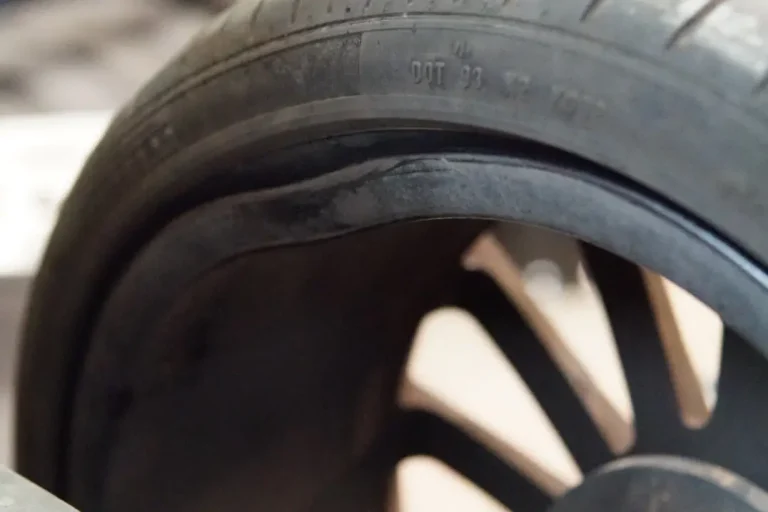
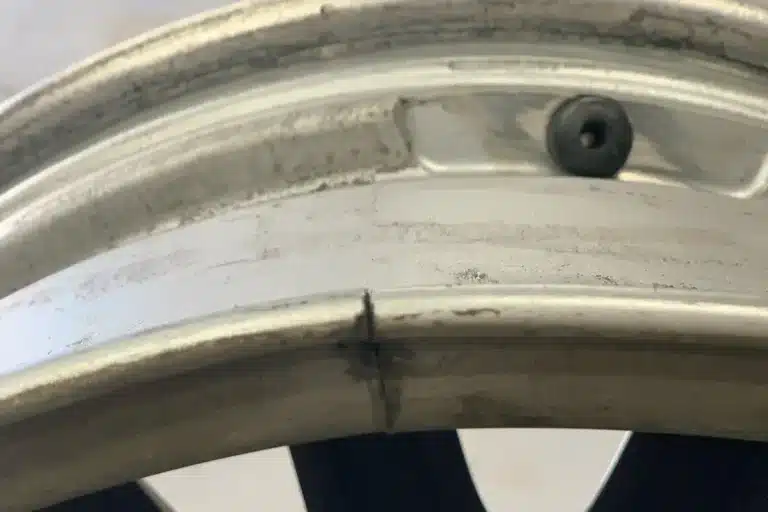
Dents and cracks are both repairs, but they are very different problems. A dent or buckle means the metal has been bent out of shape, usually by a pothole or a kerb. A crack means the metal has actually split, which is more serious because it weakens the wheel.
Signs of a buckled or dented wheel:
- The steering wheel shakes or vibrates, especially at higher speeds
- The car pulls to one side
- The tyres wear unevenly
- You can see the wheel wobble as it turns
Signs of a cracked wheel:
- A tyre keeps losing pressure but no puncture can be found
- A visible line or split, often where a spoke meets the rim or across the inner barrel
- Strange noises while driving
A buckled wheel is straightened back into shape. The tyre is removed, the alloy is gently heated and specialist hydraulic equipment slowly pushes the rim back into place before the wheel is checked to make sure it runs true. Small dents in the rim edge can often be put right with rim dent repair.
A cracked wheel needs specialist welding to seal the split, after which the area is reshaped and checked. Not every crack can be repaired safely. It depends on where the crack is and how big it is, so the technician assesses the wheel first. Crack repairs carry a 1 year warranty.
You may be able to drive carefully to a workshop on a buckled wheel, but the damage will get worse if it is left. If you think a wheel is cracked, stop driving on it and have it inspected, because a cracked wheel can fail under load. Damaged wheels can also cause problems at your MOT, as our guide to what happens to your wheels during an MOT check explains.
Exploring Alloy Wheel Refurbishment
Exploring alloy wheel refurbishment requires understanding how it differs from repair. Refurbishment involves thorough processes aimed at restoring an alloy wheel’s original or improved condition. Unlike simple repairs that address specific damage, refurbishment covers stripping old coatings, repairing surface imperfections and applying new finishes. The result is a fresh, like-new look for your wheels.
Refurbishment techniques include stripping old paint and corrosion, for example by sandblasting or acid dipping, powder coating for durable finishes, and diamond cutting for a bright machined face. Each method is carefully selected based on the wheel’s condition and the outcome you want.
Repair and refurbishment often go together. If a wheel is buckled or cracked, the structural repair is done first and the wheel is then refurbished, so the new finish sits on a sound wheel. If corrosion has spread under the lacquer, a spot repair will not hold, and the wheel needs stripping back to bare metal and recoating. Our guide to repairing corroded alloy wheels explains more.
When Replacement Is the Better Choice
Most damaged alloy wheels can be repaired or refurbished, but there are times when a new wheel is the safer or more sensible option:
- Severe structural damage: several cracks, or a crack in a place where welding cannot safely restore the wheel’s strength.
- Very bad bends: aluminium alloy is less forgiving than steel, so a badly distorted wheel may not be safe to reshape.
- Wheels worn too thin: each diamond cut removes a thin layer of metal, so a wheel can only be diamond cut a limited number of times.
- Deep corrosion across most of the wheel: at this point refurbishment may no longer be worth it.
Replacement has its own drawbacks. New wheels need tyre fitting, balancing and often new valves, and if you replace only one wheel it can be hard to match the design and finish of the others, especially on older or less common wheels. Our technicians will tell you honestly if a wheel is beyond safe repair.
DIY Kits vs Professional Repair
DIY repair kits usually contain filler, sandpaper, primer and paint. For a small scuff or chip on a painted wheel, a careful DIY touch up can make the mark less noticeable. Beyond that, a kit has clear limits:
- It cannot straighten a buckle or weld a crack. Structural damage should never be repaired at home.
- It cannot recreate a diamond cut finish, which needs a CNC lathe.
- Paint from a can is rarely a perfect colour match and is softer than powder coating, so it can chip and fade sooner.
- Sanding too deep or unevenly can make the damage worse and cost more to put right.
- There is no warranty, and a patchy repair can put buyers off when you sell the car.
A professional workshop inspects the wheel for hidden damage before any cosmetic work, uses specialist equipment for straightening, welding and machining, and backs the finish with a warranty.
Repair, Refurbishment, Replacement and DIY Compared
| Option | What it fixes | Finish quality | Warranty | When to choose it |
|---|---|---|---|---|
| Repair | Specific damage: kerb rash, dents, buckles and cracks | Blended into the existing finish; a full refurbishment may be needed for a perfect match | Crack repairs: 1 year warranty | The damage is in one area, or the wheel has a buckle or crack that can be safely fixed |
| Refurbishment | The whole surface: corrosion, peeling lacquer, faded or chipped paint and kerb rash | Like new across the whole wheel, with the option to change colour | 3 year warranty on all powder coating and diamond cut wheels | The finish is tired, corroded or damaged in several places, or you want a new look |
| Replacement | Wheels that cannot be made safe | Brand new, but a single new wheel may not match the others | Set by the wheel supplier, not by a repairer | The wheel has severe or multiple cracks, extreme bends or is too thin to refinish |
| DIY | Light scuffs and small chips on painted wheels only | Depends on your skill; often visible edges and colour differences | None | The mark is small and cosmetic and you accept a less than perfect result |
Evaluating the Benefits and Drawbacks
Choosing between alloy wheel repair and refurbishment requires weighing their benefits and drawbacks carefully.
Repair techniques often target specific damage, like scratches or minor bends, providing quick solutions and preserving original design features. However, repairs may not address underlying issues, such as corrosion under the lacquer, which can lead to the problem coming back.
On the other hand, refurbishment offers a thorough overhaul, addressing both visible and hidden flaws. Combined with any structural repairs the wheel needs, it restores both the condition and the look of the wheel, but it involves more work and a higher cost.
Consider the extent of damage; repairs might be enough for minor issues, while widespread damage, corrosion or a worn finish calls for refurbishment.
Additionally, repairs typically maintain the wheel’s existing finish, whereas refurbishment allows for customization.
Evaluate your needs and budget, factoring in how each option affects longevity and performance.
Which Option Is the Most Cost-Effective?
Repairing or refurbishing your existing wheels usually costs much less than buying new ones, particularly for kerb damage, buckles and tired finishes. The exact cost depends on wheel size, the type of damage and the finish you choose, so check our price list for current prices.
When comparing with replacement, remember the extra costs that come with new wheels, such as tyre fitting, balancing and new valves, and the risk that a single new wheel will not match the others. Refurbishing keeps the original wheels your car was designed for, and it is the greener choice because it reuses the wheel rather than making a new one.
The cheapest fix is not always the best value. A repair that fails early, or a finish that peels, costs more in the long run. Our guide to budget vs premium alloy repair explains what to look for.
How Long Does a Repair or Refurbishment Last?
A professional repair or refurbishment is not a temporary patch. Done properly, a straightened or refurbished wheel is a lasting fix, and powder coating is cured under heat to form a hard finish that resists chips, scratches and fading. How long the work lasts depends on:
- The quality of the preparation and materials used
- The skill of the technician
- Weather and road salt, especially in winter
- How often the wheel meets kerbs and potholes
- Aftercare, such as regular cleaning with a suitable wheel cleaner, correct tyre pressures and checking for new damage
Wheels can usually be refurbished more than once, but diamond cut wheels lose a little metal each time they are cut, so the technician checks there is enough material left first. Alloy Fix offers a 3 year warranty on all powder coating and diamond cut wheels, and we are the only company to offer this. Crack repairs carry a 1 year warranty. Afterwards, rim protectors and ceramic coating can help protect the new finish.
Choosing the Right Option for Your Wheels
How do you decide between alloy wheel repair, refurbishment, replacement or DIY? Consider your priorities: safety, appearance and budget. Here’s a guide to help you choose the right option:
- Severity of Damage: If there’s minor kerb rash or scratches, opt for repair. For widespread damage, corrosion or a tired finish, refurbishment is the better choice. Buckles and cracks need a structural repair first.
- Budget Constraints: Repairs are generally the most cost-effective. However, refurbishment offers a long-term solution and may be worth it if the wheel needs several separate repairs. See our price list for current prices.
- Desired Outcome: For purely functional restoration, choose repair. If you want a like-new appearance or a colour change, refurbishment is ideal. Replacement is only worth it when a wheel cannot be made safe.
- Time Off the Road: Loan wheels are available, so you can drive away the same day while your own wheels are being worked on.
- Safety: If you are in any doubt, have the wheel inspected before you choose. A cracked or badly buckled wheel can be unsafe, and a DIY kit is never the answer for structural damage.
Conclusion
When deciding between repair, refurbishment, replacement and DIY, think of it as choosing the right level of treatment for the damage. A light scuff may only need a repair, a tired or corroded wheel benefits from a full refurbishment, and replacement is only needed when a wheel cannot be made safe. DIY kits are best kept for small cosmetic marks. If you are not sure which you need, book an inspection at our Romford, Dartford or Hemel Hempstead workshop and a technician will recommend the right option. You can also see how our process works.
Frequently asked questions
How can I tell if my alloy wheels need repair or refurbishment?
Look for cracks, bends, kerb damage, corrosion or peeling lacquer, and notice any vibration, pulling to one side or a tyre that keeps losing pressure. Damage that affects how the car drives usually needs a repair, while a worn, faded or corroded finish needs refurbishment. Our guide on how to tell if your alloy wheels need repair has more detail.
Is it safe to drive with a damaged alloy wheel?
Cosmetic kerb damage is not usually a safety risk, but buckled and cracked wheels can be. You may be able to drive carefully to a workshop on a buckled wheel, but if you think a wheel is cracked, stop driving on it and have it inspected, because a crack can grow and the wheel can fail.
Can every cracked alloy wheel be repaired?
No. Many cracks can be welded and made safe, but it depends on where the crack is and how big it is. Our technicians assess the wheel first and will advise replacement if a repair would not be safe. Crack repairs carry a 1 year warranty.
Are refurbished alloy wheels as strong as new ones?
A properly refurbished wheel keeps its strength, as long as any structural damage is repaired first and the work is done with the right equipment. Diamond cutting removes a thin layer of metal, so the technician checks there is enough material left before a wheel is cut again.
Can DIY kits repair or refurbish alloy wheels?
DIY kits can tidy up small scuffs and chips on painted wheels, but they cannot straighten a buckle, weld a crack or recreate a diamond cut finish. Results are often uneven and come with no warranty, so professional repair is the better choice for anything more than a light mark.
Is repairing or refurbishing cheaper than buying new wheels?
In most cases, yes, especially once you add the cost of tyre fitting, balancing and matching a new wheel to the others. Prices depend on wheel size, the damage and the finish you choose, so check our price list for current prices.