If your alloy wheels are kerbed, scratched or corroded, you will want to know two things: how much refurbishment costs, and whether it is worth paying for. Refurbishing your wheels improves how they look, can help them last longer, and can help when you sell your car. This guide explains what affects the price and how to decide if it is worth it for you.
Looking for current prices? The cost of refurbishment depends on your wheel size, the damage and the finish you choose. Our alloy wheel price list shows the latest prices for every service.
Key Takeaways
- The price of alloy wheel refurbishment depends on wheel size, the type and extent of the damage, and the finish you choose. See our price list for current prices.
- Cracks and buckles are repaired before the wheel is refinished, and are charged on top of the refurbishment.
- Professional refurbishment gives a more even, longer lasting finish than a DIY approach, which needs specific tools and safety precautions.
- Refurbishment can extend the life of your wheels and help your car look well cared for when you sell it.
- Refurbishment is generally worth it when the workmanship is good quality. The cheapest option is not always the best value.
Understanding Alloy Wheel Refurbishment
Alloy wheel refurbishment is a process that brings worn and damaged wheels back to a like new condition. It is more than a fresh coat of paint. It is a thorough job that restores both the look of your wheels and the protective finish that stops them corroding.
The refurbishment process is not as simple as painting over the damage. It is a careful process that involves cleaning, repairing, priming, painting and lacquering. First, the wheels are cleaned and stripped to remove grime, old paint and corrosion. Next, any damage, like dents and scratches, is repaired. Then, a primer is applied so the new finish sticks properly. After the primer, the wheels are coated and finally lacquered for a shiny, protective finish.
Different alloy types may need different refurbishment techniques. For instance, magnesium alloys are lighter but more prone to corrosion than aluminium alloys. Whether it is for looks or to help your wheels last longer, alloy wheel refurbishment is worth considering for any car owner.
Factors Influencing Refurbishment Cost
Now that you know what the refurbishment process involves, here are the main things that affect how much you will pay.
Wheel size. Larger wheels have more surface to strip, repair and refinish, so they take more material and more time. That is why refurbishment prices are usually set by wheel size.
The type and extent of the damage. Light kerb rash is a simpler job than deep gouges, heavy corrosion or peeling paint, which need more preparation. Knowing the signs of damage helps you spot problems early, before they need more work.
The finish you choose. Powder coating in a standard silver, grey or black costs less than a diamond cut finish, because diamond cutting needs a special lathe to machine the face of the wheel. Custom colours, tints and other special finishes cost extra.
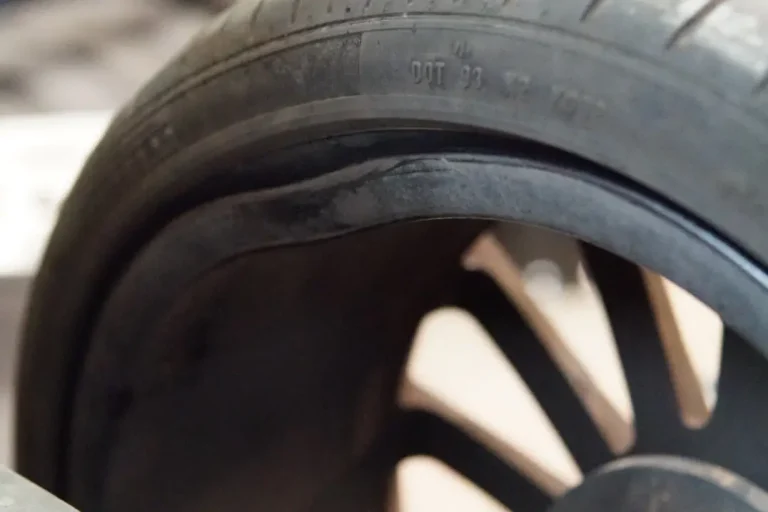
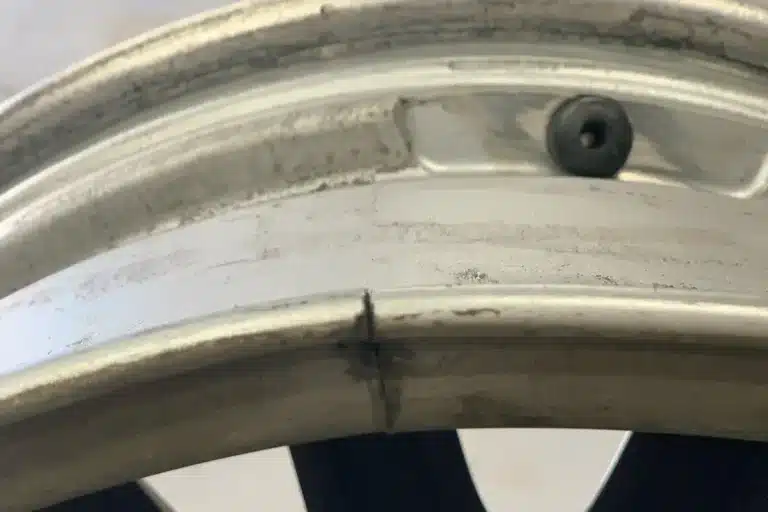
Crack and buckle repairs. If a wheel is cracked or buckled, it has to be repaired before it is refinished, and this is charged on top. Whether a crack can be repaired depends on where it is and how big it is, so a technician will assess the wheel first.
How many wheels you have done. A full set of four usually costs less per wheel than single wheels, and gives the most even colour match.
Material quality and the service provider. Good quality materials give a tougher, longer lasting finish. Different refurbishment companies also price their work differently, based on their equipment, expertise and costs.
Get your free quote today
What You Pay For in a Quality Refurbishment
Prices can vary widely between companies, so it helps to know what a good quality refurbishment includes. You can see our current prices for every wheel size and finish on our price list.
A high quality refurbishment includes inspecting the wheel, stripping the old finish, repairing any damage, preparing the surface, powder coating and sealing the wheel. A cheaper job may skip some of these steps, which can lead to a finish that chips or peels sooner. Naturally, the more thorough the work, the more it costs, but it should also last longer.
DIY Vs Professional Refurbishment
You might be torn between tackling alloy wheel refurbishment as a DIY project or hiring a professional to do the job. Both options have their pros and cons, and it is important to weigh these up before making a decision.
If you are considering the DIY route, safety should be your top concern. Refurbishing alloy wheels involves sanding, polishing and painting, which can be hazardous if not handled properly. You will need protective gear, including safety goggles and gloves.
You will also need specific tools and materials, such as a sanding machine, primer, paint and clear coat. The cost of these items adds up, and you will need time to learn how to use them well. A DIY kit cannot fix cracks or buckles, and a poor result can mean paying for a professional job anyway.
On the other hand, a professional workshop has the equipment, expertise and experience to deliver a high quality finish, and knows the safety measures needed during refurbishment.
Potential Savings From Refurbishment
While weighing up the cost of professional refurbishment, do not overlook the money it can save you.
Firstly, refurbishing your alloy wheels can extend their life, so you are less likely to need to buy new wheels. A well done refurbishment can last for years, especially if you clean and look after your wheels properly.
Secondly, dealing with damage early can help you avoid bigger bills. Damaged wheels can lead to other problems, such as slow punctures or uneven tyre wear, and a cracked or buckled wheel can be unsafe. Having your wheels inspected and repaired deals with these issues before they get worse.
Finally, if you choose to sell your car, refurbished alloy wheels can make it more appealing. Buyers notice a well maintained car, and clean, undamaged wheels can be a strong selling point.
To sum up, here are the potential savings from refurbishing your alloy wheels:
- Longer wheel life, so fewer new wheels to buy
- Fewer unexpected bills from damage that gets worse
- A car that is more appealing when you sell it
Impact on Vehicle Safety
Beyond the money, refurbishment and repair can matter for safety. A cracked or buckled wheel can cause vibration, lose air and affect how your car handles, so it should be inspected as soon as you notice a problem. Repairing the structure of the wheel before it is refinished helps your tyres seat properly and keeps the wheel running true. Your wheels are also looked at as part of an MOT check.
Enhancing Car Resale Value
In addition to safety, refurbishing your alloy wheels can help when it comes to selling your car or returning a lease car. Wheels in good condition can make your car stand out in the used car market. The reasons for this include:
- Improved Visual Appeal: Clean, unmarked wheels lift the overall look of your car, making it more attractive to buyers.
- Perceived Maintenance: Well kept wheels suggest you have taken good care of the whole car, which gives buyers confidence.
- Reduced Future Costs: Buyers know they will not have to pay for wheel repairs soon after buying.
Assessing the Worth of Refurbishment
To decide whether refurbishing your alloy wheels is worth it, think about the current condition of your wheels, the cost of refurbishment compared with new wheels, and how long you plan to keep the car. If your wheels are badly kerbed or corroded all over, a full refurbishment is often the most cost effective answer. If the damage is minor, a repair to the damaged area may be enough.
The cost of refurbishment varies with the extent of damage and the type of finish you choose. It is a good idea to check our prices and think about the quality of the workmanship as well as the price. The lowest price does not always offer the best value, as our guide to budget vs premium alloy repair explains.
If you would like to spread the cost, our finance calculator shows monthly payment options. For a firm price on your own wheels, our team will inspect them and give you a quote.
Get your free quote today
Frequently asked questions
How much does alloy wheel refurbishment cost?
It depends on the size of your wheels, the type and amount of damage, and the finish you choose. Powder coating costs less than diamond cut, and crack or buckle repairs are charged on top. Our price list shows our current prices.
Can alloy wheel refurbishment affect my car insurance premiums?
Refurbishing your wheels back to their original look does not usually change your premium, because it is a repair rather than a modification. If you change the colour or finish, tell your insurer to be safe.
What are the risks of DIY alloy wheel refurbishment?
You need specific tools and protective gear, and it is easy to get an uneven or poorly matched finish. DIY kits cannot fix cracks or buckles, and a poor job can mean paying for a professional refurbishment anyway.
Can a refurbishment make my wheels look worse?
A poor quality refurbishment can, for example with runs in the paint, a bad colour match or a finish that peels. A careful, professional refurbishment should leave your wheels looking as good as new. Our guide to budget vs premium alloy repair explains what to look for.
Do all car repair shops offer alloy wheel refurbishment?
No. Many garages and tyre centres do not refurbish wheels themselves. A specialist workshop has the equipment for stripping, powder coating, diamond cutting and crack repair. You can find your nearest Alloy Fix workshop to check what we offer.
Is there a warranty on refurbished alloy wheels?
At Alloy Fix, all powder coating and diamond cut wheels come with a 3 year warranty, and crack repairs come with a 1 year warranty.
Conclusion
In short, refurbishing your alloy wheels is not just about making your car look better. It can help your wheels last longer, deal with damage before it becomes a safety problem, and make your car more appealing when you sell it.
The cost depends on your wheel size, the damage and the finish you choose, but when you factor in the long term benefits, it is usually a worthwhile investment. Think of refurbishment not as an extra, but as sensible upkeep for your car.
Ready to Get Your Wheels Looking Like New?
Kerbed, scratched, or tired-looking alloys do not have to stay that way. Our team repairs and refurbishes wheels at our workshops in Romford, Dartford and Hemel Hempstead, and all powder coating and diamond cut wheels come with our 3 year warranty. Check our prices, then find your nearest Alloy Fix centre to book in. Got a question first? Our FAQs cover the ones we hear most.